
 By Travis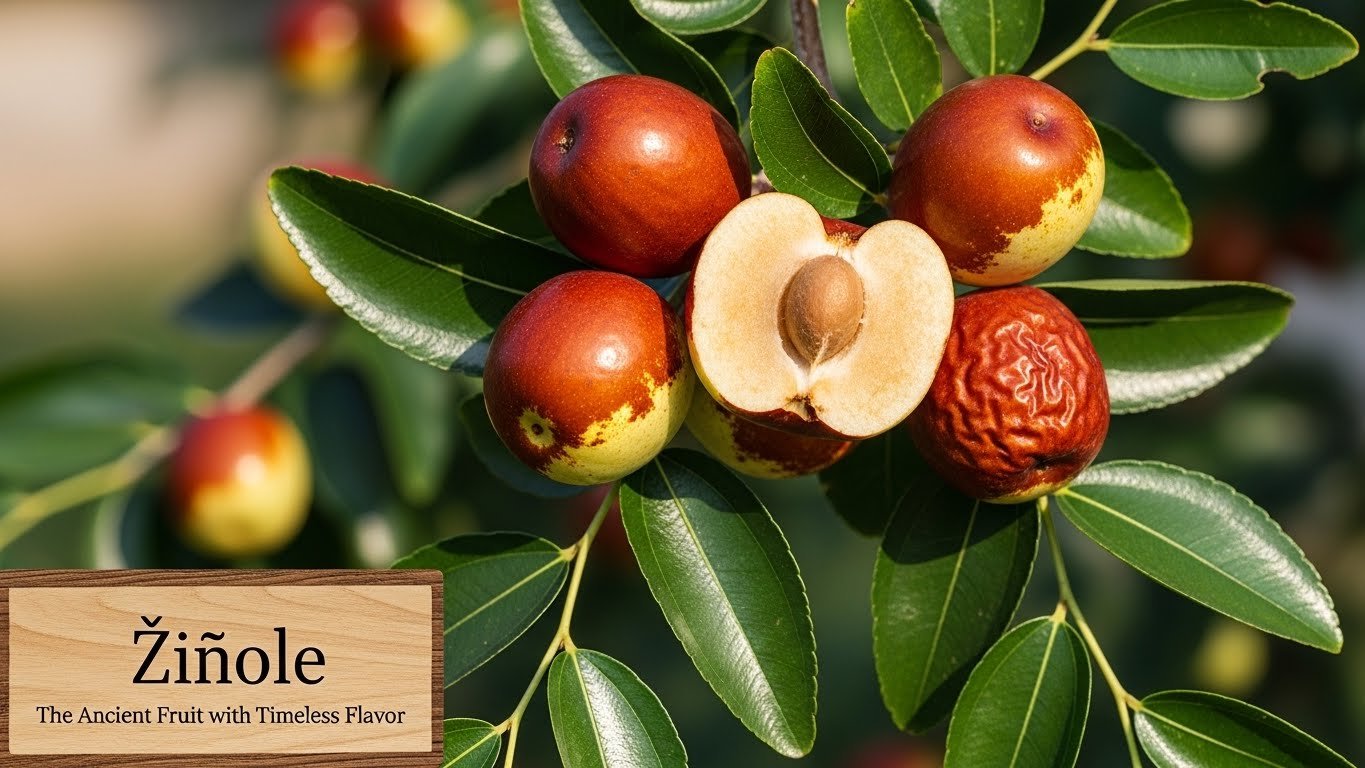
Žižole, also known as jujube, are small but powerful fruits that have been valued for centuries in traditional medicine, culinary traditions, and modern wellness practices. While they may look modest at first glance, žižole are packed with nutrients, antioxidants, and health-promoting compounds that make them a true superfruit.
In this comprehensive guide, you’ll discover what žižole are, their nutritional value, health benefits, culinary uses, and why they are gaining global popularity. Whether you’re interested in natural remedies, healthy eating, or discovering traditional fruits, this article will answer all your questions.
What Are Žižole?
Žižole are the fruits of the Ziziphus jujuba tree, commonly known as jujube, Chinese date, or red date. Native to China and parts of South Asia, the jujube tree has been cultivated for over 4,000 years. Today, žižole are grown in many regions across Asia, the Mediterranean, the Middle East, and parts of Europe.
Appearance and Taste
-
Small, round or oval fruit
-
Green when unripe, turning reddish-brown when mature
-
Crisp and apple-like when fresh
-
Sweet, chewy, and date-like when dried
Their unique taste and texture make žižole versatile for both fresh consumption and dried snacks.
Nutritional Value of Žižole
Žižole are nutrient-dense and low in calories, making them ideal for a balanced diet. Below is an overview of their nutritional profile (per 100g of fresh fruit):
Key Nutrients in Žižole
-
Calories: ~79 kcal
-
Carbohydrates: 20 g
-
Fiber: 2–3 g
-
Vitamin C: Up to 77% of daily value
-
Potassium: Supports heart health
-
Iron: Aids in red blood cell production
-
Antioxidants: Flavonoids, saponins, and polyphenols
These nutrients contribute to immune support, digestive health, and overall vitality.
Health Benefits of Žižole
1. Boosts Immune System
Žižole are rich in vitamin C, a powerful antioxidant that strengthens the immune system, helps fight infections, and promotes faster healing.
2. Supports Better Sleep and Reduces Stress
In traditional Chinese medicine, jujube is widely used as a natural sleep aid. Compounds in žižole help calm the nervous system, reduce anxiety, and improve sleep quality.
3. Improves Digestion
The fiber content in žižole supports:
-
Healthy digestion
-
Regular bowel movements
-
Gut microbiome balance
They are often used to relieve constipation and soothe digestive discomfort.
4. Promotes Heart Health
Potassium and antioxidants in žižole help:
-
Regulate blood pressure
-
Reduce bad cholesterol (LDL)
-
Improve blood circulation
Regular consumption may lower the risk of cardiovascular diseases.
5. Supports Brain Function
Research suggests that compounds in jujube may:
-
Enhance memory
-
Protect brain cells
-
Reduce inflammation in the nervous system
This makes žižole beneficial for cognitive health and mental clarity.
6. Strengthens Bones and Muscles
Žižole contain essential minerals like calcium, phosphorus, and iron, which contribute to:
-
Strong bones
-
Muscle function
-
Prevention of anemia
Fresh vs Dried Žižole: What’s the Difference?
Fresh Žižole
-
Crisp and juicy
-
Mildly sweet flavor
-
Higher water content
-
Best eaten raw or in salads
Dried Žižole
-
Chewy, date-like texture
-
More concentrated sweetness
-
Longer shelf life
-
Commonly used in teas, desserts, and traditional remedies
Both forms offer health benefits, but dried žižole are more calorie-dense due to reduced water content.
Culinary Uses of Žižole
Žižole are incredibly versatile in the kitchen and can be used in both sweet and savory dishes.
Popular Ways to Use Žižole
-
Eat fresh as a healthy snack
-
Add to smoothies or fruit bowls
-
Brew into herbal teas
-
Use in soups and broths
-
Incorporate into baked goods
-
Stuff with nuts for a nutritious treat
Traditional Dishes
In Asian and Mediterranean cuisines, žižole are commonly used in:
-
Herbal tonics
-
Healing soups
-
Sweet syrups and jams
Their natural sweetness makes them a great alternative to refined sugar.
Žižole in Traditional Medicine
For centuries, žižole have been a cornerstone of traditional Chinese medicine (TCM) and Ayurvedic practices.
Traditional Uses Include:
-
Calming the mind
-
Improving sleep quality
-
Strengthening the spleen and stomach
-
Enhancing blood circulation
-
Supporting liver health
Even today, jujube extracts are used in herbal supplements and wellness products worldwide.
How to Grow Žižole (Jujube Tree)
Žižole trees are hardy and adaptable, making them suitable for home gardens.
Growing Conditions
-
Thrives in warm, dry climates
-
Requires full sunlight
-
Tolerates poor soil conditions
-
Drought-resistant once established
Benefits of Growing Your Own
-
Fresh, organic fruit
-
Low maintenance
-
Long lifespan
-
Beautiful ornamental tree
With minimal care, a jujube tree can produce fruit for decades.
Possible Side Effects and Precautions
Žižole are generally safe for most people, but moderation is key.
Things to Keep in Mind
-
Excess consumption may cause bloating
-
Dried žižole are high in natural sugars
-
People with diabetes should monitor intake
-
Consult a doctor if taking sedative medications
As with any natural food, balance is essential.
Why Žižole Are Gaining Global Popularity
In recent years, žižole have become popular due to:
-
Growing interest in superfoods
-
Demand for natural sleep remedies
-
Increased focus on gut health
-
Rising popularity of traditional and functional foods
Health-conscious consumers are rediscovering this ancient fruit for modern lifestyles.
Frequently Asked Questions About Žižole
Are žižole the same as dates?
No. While dried žižole resemble dates, they come from a different plant and have a distinct nutritional profile.
Can children eat žižole?
Yes, in moderate amounts. Fresh žižole are especially suitable for children.
Are žižole good for weight loss?
Yes. They are low in calories, high in fiber, and help reduce cravings.
Final Thoughts: Why You Should Add Žižole to Your Diet
Žižole are more than just a traditional fruit—they are a nutritional powerhouse with proven health benefits. From boosting immunity and improving sleep to supporting digestion and heart health, this humble fruit offers remarkable value.
Whether eaten fresh, dried, or brewed into tea, žižole can easily fit into a healthy lifestyle.