
 By Travis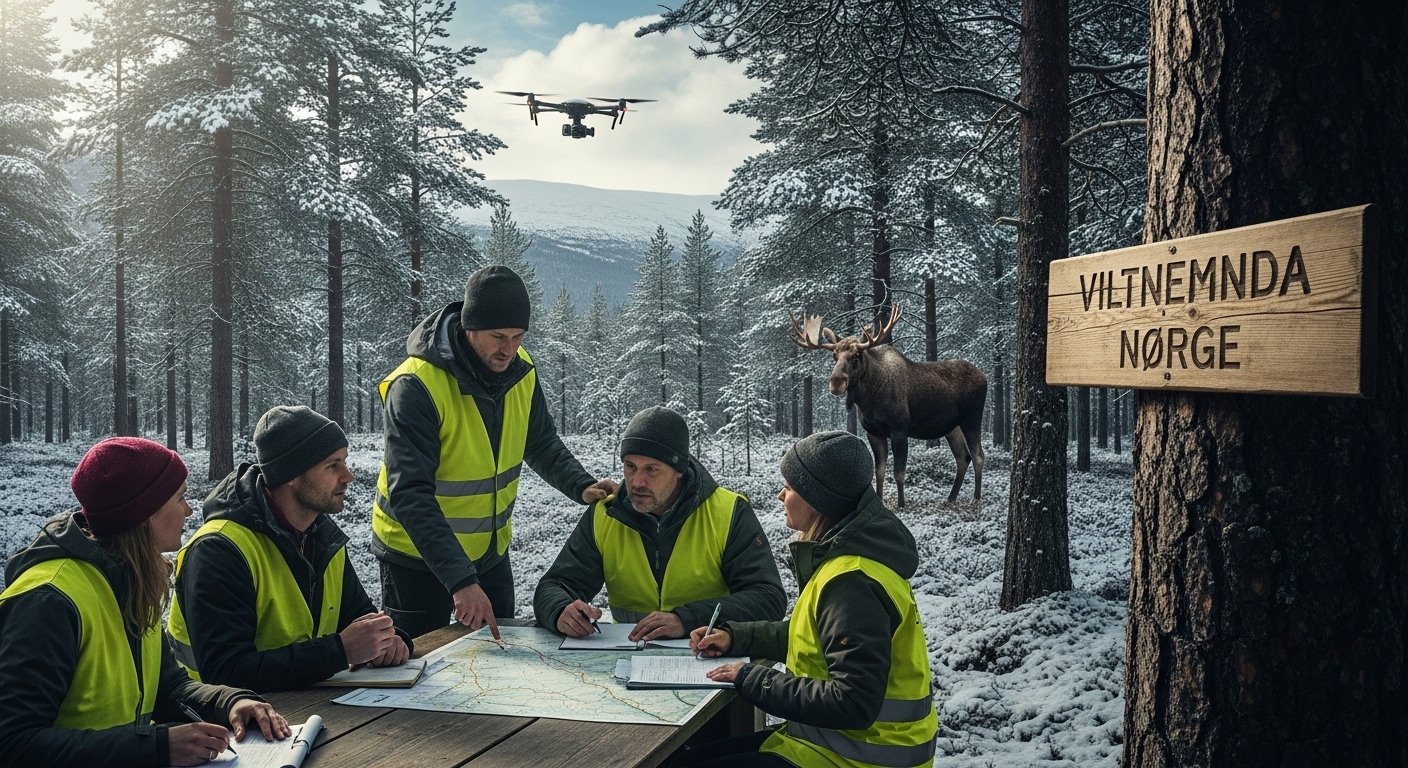
In a country known for its breathtaking fjords, dense forests, and diverse wildlife, sustainable resource management is more than a policy—it’s a national priority. At the heart of Norway’s local wildlife governance system stands Viltnemnda, a municipal wildlife committee responsible for regulating hunting, managing human-wildlife conflicts, and ensuring balanced wildlife populations.
But what exactly is Viltnemnda? How does it operate? And why is it so crucial for sustainable wildlife management in Norway?
This in-depth guide explores the structure, responsibilities, and impact of Viltnemnda while answering the most common questions about Norway’s wildlife governance system.
What Is Viltnemnda?
Viltnemnda is a municipal wildlife board established under Norway’s wildlife legislation. Each municipality has its own Viltnemnda, appointed by the local municipal council. Its primary mission is to:
-
Regulate and oversee hunting activities
-
Manage wildlife populations sustainably
-
Address human-wildlife conflicts
-
Collaborate with landowners, hunters, and environmental authorities
Operating under the national framework set by the Miljødirektoratet (Norwegian Environment Agency), Viltnemnda ensures that wildlife management decisions are tailored to local ecological conditions.
The Legal Foundation of Viltnemnda
Wildlife management in Norway is governed by national legislation, particularly the Wildlife Act. However, much of the practical implementation occurs at the municipal level.
Viltnemnda works within:
-
The Wildlife Act (Viltloven)
-
Regulations on hunting seasons
-
Quotas established for specific species
-
Biodiversity and conservation laws
This decentralized model ensures that wildlife decisions reflect local realities while aligning with national environmental objectives.
Core Responsibilities of Viltnemnda
1. Regulating Hunting Activities
One of the most visible roles of Viltnemnda is hunting regulation. Hunting is an important tradition in Norway, both culturally and economically. However, it must be carefully managed.
Viltnemnda:
-
Sets local hunting quotas
-
Approves hunting permits
-
Oversees compliance with regulations
-
Coordinates with wildlife authorities
For species such as moose, deer, and reindeer, quotas are carefully calculated to prevent overhunting while maintaining ecological balance.
2. Managing Wildlife Populations
Maintaining sustainable wildlife populations is central to Viltnemnda’s mission. This involves:
-
Monitoring animal populations
-
Collecting field data
-
Collaborating with environmental researchers
-
Adjusting quotas annually
Population management ensures that wildlife numbers remain stable and ecosystems remain healthy.
For example, moose populations are monitored closely to prevent overgrazing, which can damage forest ecosystems and agricultural land.
3. Addressing Human-Wildlife Conflicts
As wildlife populations expand, conflicts sometimes arise between animals and local communities.
Viltnemnda plays a critical role in managing:
-
Moose-related traffic accidents
-
Predator attacks on livestock
-
Crop damage caused by deer
-
Urban wildlife encounters
Through preventive measures, emergency responses, and controlled culling where necessary, Viltnemnda works to balance ecological needs with public safety.
Why Viltnemnda Is Essential for Sustainable Wildlife Management
Norway’s model of local wildlife governance is widely regarded as effective. Here’s why Viltnemnda matters:
Local Expertise
Because it operates at the municipal level, Viltnemnda has direct knowledge of:
-
Local terrain
-
Species behavior
-
Community concerns
-
Seasonal patterns
This localized insight leads to more precise decision-making.
Community Engagement
Viltnemnda works closely with:
-
Hunters’ associations
-
Farmers and landowners
-
Conservation groups
-
Municipal authorities
This collaborative approach builds trust and ensures policies reflect diverse perspectives.
Sustainable Hunting Practices
Hunting is not only permitted in Norway—it is actively regulated to promote ecological balance. By setting responsible quotas, Viltnemnda prevents:
-
Overpopulation
-
Habitat degradation
-
Disease spread
-
Ecosystem imbalance
How Viltnemnda Sets Hunting Quotas
Setting quotas is a scientific and data-driven process. It involves:
-
Population surveys
-
Harvest reports from previous seasons
-
Ecological impact assessments
-
Climate and habitat analysis
The goal is to allow sustainable harvesting without threatening species survival.
This approach aligns with Norway’s broader commitment to biodiversity protection.
The Relationship Between Viltnemnda and National Authorities
While Viltnemnda operates locally, it does not function independently of national oversight.
The Miljødirektoratet provides:
-
National wildlife guidelines
-
Species conservation strategies
-
Regulatory frameworks
-
Data coordination
This ensures consistency across municipalities while preserving local autonomy.
Human-Wildlife Conflict Management in Norway
Human-wildlife conflict is an increasing issue globally. In Norway, common challenges include:
-
Moose collisions on highways
-
Predator interactions with livestock
-
Expanding deer populations near urban areas
Viltnemnda responds through:
-
Emergency permits
-
Preventive hunting measures
-
Cooperation with transport authorities
-
Public awareness campaigns
By acting quickly and responsibly, the committee reduces risks while maintaining ecological balance.
Wildlife Conservation and Biodiversity Goals
Norway places strong emphasis on biodiversity protection. Viltnemnda contributes by:
-
Protecting endangered species
-
Preventing habitat destruction
-
Supporting ecosystem resilience
-
Monitoring species migration patterns
This supports Norway’s international environmental commitments and long-term sustainability strategies.
Transparency and Public Participation
One of the strengths of the Viltnemnda system is transparency.
Meetings are often:
-
Publicly documented
-
Open for community input
-
Subject to municipal oversight
Citizens can voice concerns about wildlife management decisions, ensuring accountability.
Challenges Facing Viltnemnda
Despite its effectiveness, Viltnemnda faces modern challenges:
Climate Change
Changing weather patterns affect:
-
Migration cycles
-
Breeding seasons
-
Habitat availability
This requires adaptive management strategies.
Urban Expansion
Growing cities increase:
-
Habitat fragmentation
-
Human-wildlife encounters
-
Traffic accidents involving wildlife
Viltnemnda must adapt its policies accordingly.
Predator Management Debates
Predator species management remains a sensitive issue in Norway, balancing conservation with farming interests.
How Viltnemnda Benefits Local Communities
The impact of Viltnemnda extends beyond conservation.
Economic Benefits
-
Supports sustainable hunting industries
-
Maintains balanced game populations
-
Protects agricultural productivity
Public Safety
-
Reduces wildlife-related accidents
-
Minimizes dangerous animal encounters
-
Implements preventive strategies
Environmental Stability
-
Protects forests and agricultural land
-
Maintains biodiversity
-
Encourages responsible natural resource use
Frequently Asked Questions About Viltnemnda
What does Viltnemnda do?
Viltnemnda regulates hunting, manages wildlife populations, and addresses human-wildlife conflicts at the municipal level in Norway.
Who appoints Viltnemnda members?
Members are appointed by the local municipal council.
How are hunting quotas decided?
Quotas are based on population data, environmental impact assessments, and national guidelines.
Is Viltnemnda involved in predator management?
Yes. It plays a role in managing predators where local regulations permit intervention.
The Future of Wildlife Management in Norway
As environmental pressures grow, the role of Viltnemnda becomes even more important. Sustainable wildlife management requires:
-
Data-driven decisions
-
Community cooperation
-
Climate adaptation strategies
-
Strong national-local coordination
Norway’s decentralized model offers a blueprint for other countries seeking to balance conservation with traditional hunting practices.
Why Understanding Viltnemnda Matters
Whether you are:
-
A hunter seeking clarity on regulations
-
A landowner dealing with wildlife issues
-
A conservation enthusiast
-
A policymaker studying sustainable governance
Understanding Viltnemnda provides valuable insight into how Norway protects its wildlife while maintaining social and economic balance.
Final Thoughts: A Model for Sustainable Wildlife Governance
Viltnemnda represents a powerful example of community-based wildlife management. By combining scientific data, local knowledge, and national oversight, it ensures that Norway’s natural heritage remains protected for future generations.
Its role in regulating hunting, mitigating conflicts, and promoting biodiversity makes it a cornerstone of sustainable environmental governance.
Take Action: Stay Informed and Get Involved
If you are interested in wildlife management in Norway:
-
Attend local municipal meetings
-
Review hunting regulations before each season
-
Participate in community discussions
-
Support conservation initiatives
Engaged citizens strengthen sustainable wildlife governance.
Want to stay updated on wildlife management policies and hunting regulations in Norway? Follow your local municipality’s announcements and connect with environmental authorities to remain informed.
Sustainable wildlife management starts with awareness—and Viltnemnda is leading the way.